Blaming Audiences for Wildwood Is Lazy — A $100M Stop-Motion Movie Was Always a Hard Sell
Laika's Wildwood opened almost exactly like Kubo and the Two Strings did in 2016 — same A CinemaScore, same ~$12M weekend. The audience didn't shrink. The reported budget nearly doubled.
Wildwood didn't flop because you failed it. It flopped, if that's even the word, because somebody priced a hand-built art film like a four-quadrant event and then sent it into the busiest weekend of the fall.
Look, I get the instinct. A 99% critics score, a 97% audience score on Rotten Tomatoes, an A CinemaScore, and then a third-place finish. The internet goes straight to the obituary: great movies don't stand a chance anymore, people only show up for slop. It's a satisfying sermon. It's also lazy.
Here's the thing: the numbers don't say audiences rejected Wildwood. They say audiences showed up in almost exactly the numbers they always have for Laika. What changed is the bill.
The numbers, as reported
Every figure here comes from a named outlet, not from vibes:
- Opening weekend (Oct 23–25): $12,297,618 domestic per The Numbers. The Sunday estimate was $11.6M, which is why you'll still see that figure floating around.
- Second weekend (Oct 30–Nov 1): about $7.5M, down roughly 39%, still third. Box Office Mojo has $7,491,417.
- Domestic so far: about $25.9M.
- Worldwide so far: $28.75M per The Numbers, with an international rollout that runs into January 2027.
- Budget: a reported $100M. Laika hasn't confirmed it, so treat it as the industry's number, not the studio's.
- Reception: 99% on the Tomatometer from 159 reviews, 97% Popcornmeter, A CinemaScore. That A ties Kubo and the Two Strings for the best audience grade Laika has ever had.
A 39% second-weekend drop in a Halloween frame where the whole market looked asleep is not an audience walking out. That's a decent hold. People who saw it liked it. They told their friends. The friends came.
The Kubo test
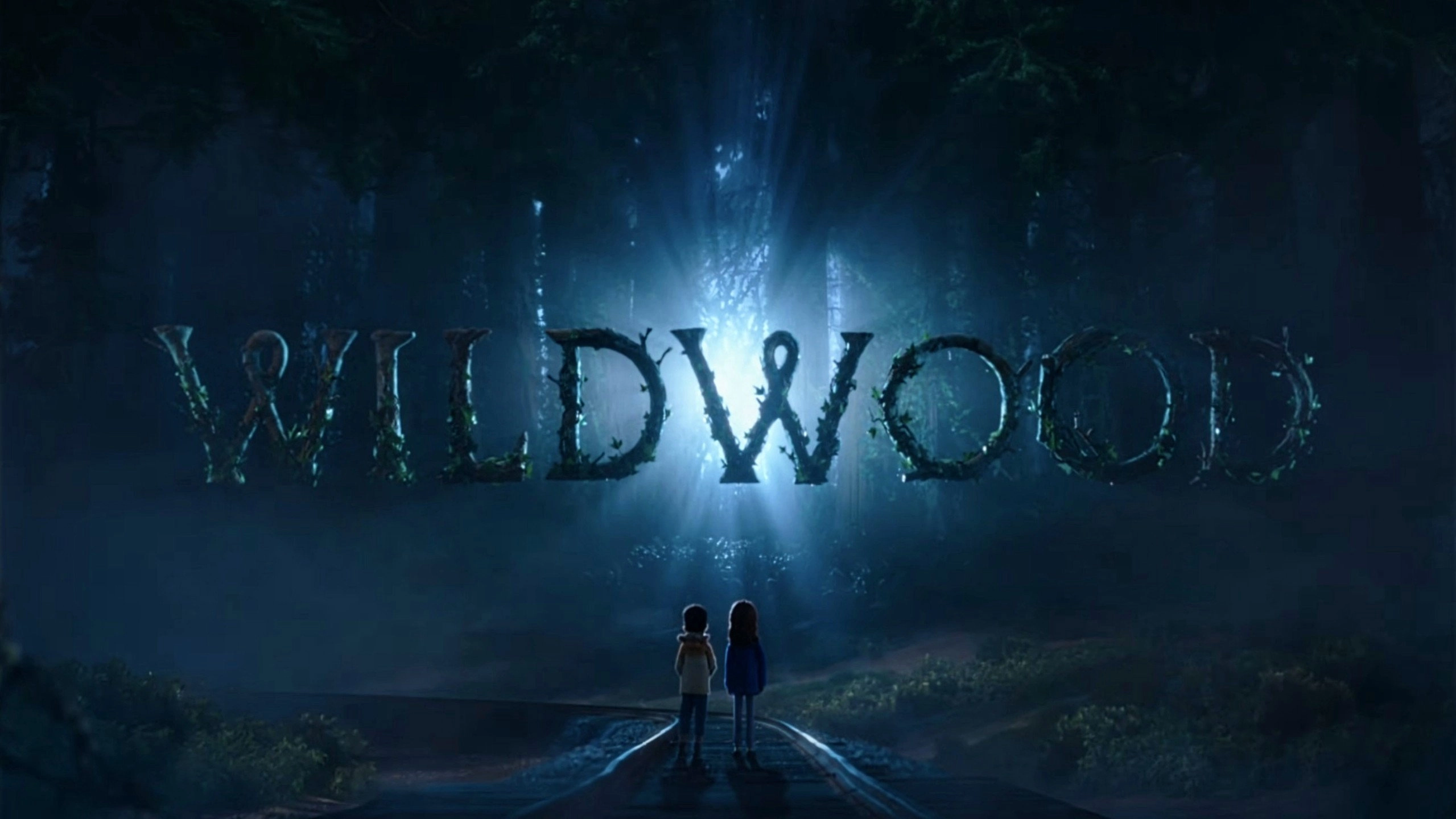
This is the comparison that matters, so I pulled it myself instead of taking anyone's "on par" on faith.
Kubo and the Two Strings opened in August 2016:
- Opening weekend: $12,608,372 (The Numbers and Box Office Mojo agree)
- Budget: $55M per The Numbers, $60M per Box Office Mojo
- Final worldwide: about $76–77.5M depending on whose tally you use
- CinemaScore: A
Now put Wildwood next to it:
- Opening weekend: $12.3M vs $12.6M, close to a dead heat
- Budget: a reported $100M vs $55–60M, so roughly 1.7 to 1.8 times as much
- CinemaScore: A vs A
Ten years apart. Same studio, same kind of movie, same audience grade, same opening, give or take a few hundred grand. Ticket prices went up in those ten years, so in bodies through the door Wildwood probably drew a little fewer people. But not dramatically fewer. The crowd that buys a ticket for a gorgeous, slightly scary, handmade Laika fantasy is the same size it was in 2016.
The budget is not.
So when someone tells you Wildwood "bombed because audiences don't support original animation anymore", ask them a simple question: which audience? The one that showed up in identical numbers to Kubo's?
Audiences didn't fail. The math did.
I'm not saying Laika made a bad movie. Every review says the opposite, and I believe them. I'm saying the business case was always shaky, and the release made it shakier. A few things that have nothing to do with moviegoers having bad taste:
- The price tag. Stop-motion is slow and expensive, and that's the whole charm. But Laika's films have historically lived in a box: openings in the low-to-mid teens, finals well under $100M worldwide. If you spend a reported $100M on a film for that audience, you need it to break out of the box. Nothing about the opening says it did, and nothing about the reviews could have guaranteed it would.
- The weekend. Wildwood opened the same frame Clayface debuted at No. 1 with about $24M, and the same frame A24's Elizabeth Holmes documentary You Can See Everything climbed 25% in its second weekend to $19.5M while expanding to over 2,600 theaters. A DC horror movie for the teenagers, a word-of-mouth phenomenon for the adults, and the "family film" is a dark fantasy about a kid walking into a haunted forest. Who exactly was the target that Friday?
- The distribution. Kubo went out through Focus Features. Wildwood went out domestically through Fathom Entertainment, a company that built its name on event cinema and re-releases, with FilmNation selling it abroad territory by territory. Fathom got it onto roughly 2,900 screens, then about 3,100, which is not nothing. But a studio-sized marketing push is a different animal, and you could feel how quiet the run-up was if you weren't already a Laika fan.
- The seven-year gap. Laika's last feature was Missing Link in 2019. That's a long time for a brand to sit dormant and then ask casual audiences to treat it as a must-see on day one.
To be fair: I can't prove which of these did the damage. Maybe a different date gets you $15M instead of $12M. Maybe a bigger campaign gets you $18M. Maybe it changes nothing and the ceiling is just the ceiling. Box office numbers tell you what happened, not why, and anyone who tells you otherwise with total confidence is selling something. Me included.
What the numbers do rule out is the lazy version: the idea that a great movie came out and the public shrugged. The public didn't shrug. It turned up at Kubo levels, gave it an A, and kept about 61% of its opening gross on a Halloween weekend.
Why the "audiences failed" story is worse than wrong
It's not just inaccurate. It's convenient for exactly the wrong people.
If the narrative is "audiences don't support craft", then the lesson every studio exec takes away is: stop making craft. Fewer stop-motion films. Fewer weird, risky, beautiful things. Back to the IP pile.
If the narrative is "a $55M movie works and a $100M version of the same movie doesn't", the lesson is: make it for the audience you actually have. That's a fixable problem. That's a lesson that keeps Laika in business.
One of those stories protects the art form. The other one protects whoever signed off on the budget and the release plan.
The takeaway
Go see Wildwood. Not out of guilt, and not to "save" anything. See it because it's apparently the best-reviewed thing Laika has ever made, and the people who saw it are telling you so.
But stop blaming the audience. The audience did its job. It did the same job it did for Kubo a decade ago. The difference is that somebody expected that same audience to pay off a bill almost twice the size.
That's not a moviegoer problem. That's a spreadsheet problem.
I said what I said.
Related title: Wildwood
Comments (0)
Log in to leave a comment.