Tom and Jerry: Forbidden Compass Benched Its Own Stars — And Critics Are Furious
The first fully CG Tom and Jerry feature landed in US theaters on September 4 with a Metacritic score of 24. The complaint from Empire, Variety, The Guardian and The Irish Times is not that it is bad — it is that Tom and Jerry are barely in it. Here is what actually happened, and why “legacy character as mascot” is now a business model.
Look, I've watched plenty of bad animated movies. Bad is survivable. What I hadn't seen before was a movie that puts two of the most famous characters in animation history on the poster and then forgets to give them anything to do.
That's Tom and Jerry: Forbidden Compass, and it opened in US theaters on September 4 with a Metacritic score of 24 out of 100.
What this thing actually is
First, the facts, because a lot of the chatter this week is getting them wrong.
Forbidden Compass is not a new movie. It premiered at the Shanghai International Film Festival in June 2025 and opened in Chinese theaters that August. It reached UK cinemas in May 2026. Viva Pictures picked up North American rights this spring, slotted it onto its Viva Kids label for September 9, then moved it up to September 4.
It's a Chinese co-production — China Film Co., Ltd. with Warner Bros. Pictures and Origin Animation — written and directed by Zhang Gang, with animation services from ReDefine. It runs 104 minutes. And it is, genuinely, a first: the first fully computer-animated Tom and Jerry feature.
So when you see "critics are furious this week," what that actually means is critics have been furious since May and America just caught up.
The complaint isn't "it's bad." It's "they're not in it."
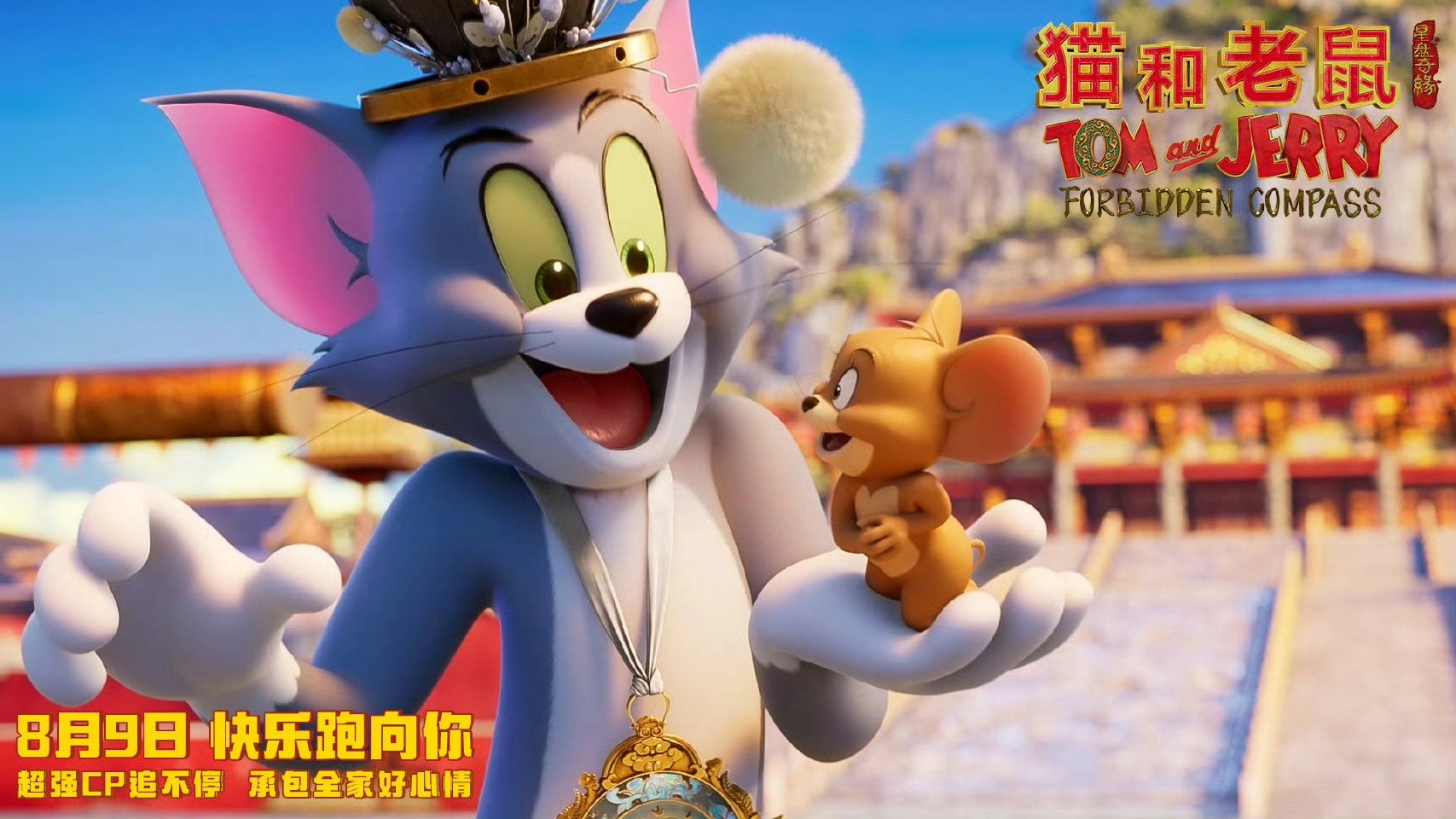
Here's the thing about these reviews: they're weirdly unanimous about what is wrong, and it isn't the animation or the gags or the volume. It's the structure.
Empire's Helen O'Hara: "Tom and Jerry are technically present throughout, but barely involved in any of the major moments. It's really about showcasing Chinese design and characters, with the two visitors largely reduced to onlookers and occasional sources of (barely needed) extra chaos." Her verdict — "A relentless mess of a film."
Variety's Caspar Salmon lands in the identical spot independently: the film "tosses Tom and indeed Jerry into this incomprehensible plot, in which the title characters will soon be reduced to the status of glorified onlookers." His summary read: "bafflingly out of touch and off-key, with the flavor of supermarket own-brand cornflakes."
The Irish Times headline does it in seven words: "Cartoon duo become supporting players in their own film."
The Guardian's Leslie Felperin gave it two stars and called it "a barrage of bright colours and noise." Mark Kermode compared watching it to being shouted at by a hyperactive child.
Four critics, four countries, one identical diagnosis. That's not a taste problem. That's a design problem.
So whose movie is this?
Not the one everybody's assuming. The lazy version of this take is "Warner Bros. is embarrassed by Tom and Jerry and smuggled them into a different film." The record doesn't support that. Warner didn't make this movie for you — it's a Chinese production, made for the Chinese market, with WB attached as a co-producer lending out the two most recognizable faces in its catalogue.
Which is arguably worse.
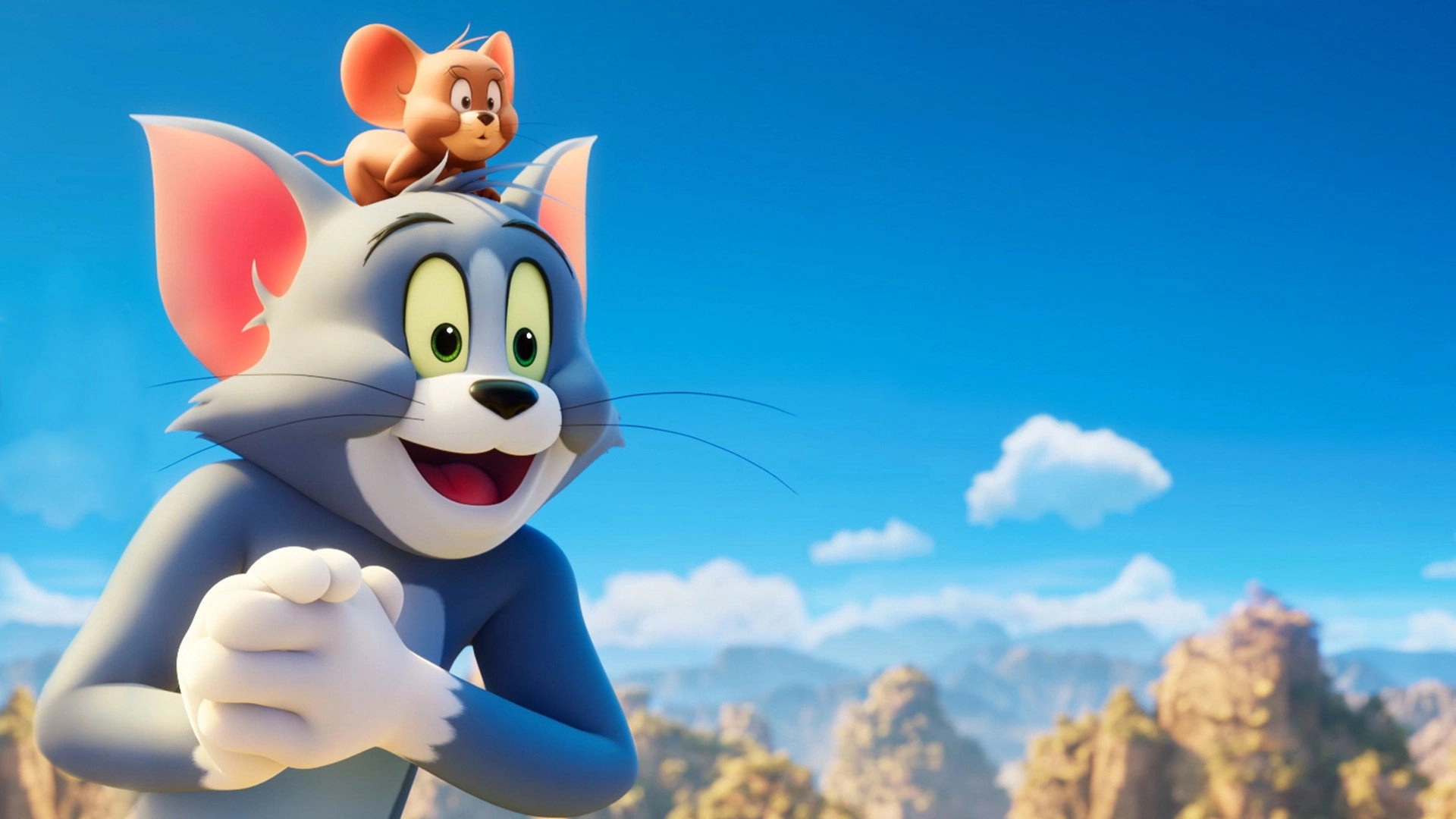
Because the honest job title for Tom and Jerry here isn't "protagonist." It isn't even "character." It's mascot. Per Variety, every recognizable piece of Tom and Jerry behaviour is done inside the first five minutes — a chase through a museum — and then there are 95 minutes left of somebody else's mythology.
That's the model now. A legacy character isn't a role anymore, it's a logo you staple onto a film that would otherwise have no international hook. The cat and the mouse get you the poster, the thumbnail, the parent scrolling showtimes going "oh, I know those two." Then the actual movie happens somewhere else, without them.
When the transplant works
To be clear: dropping a cartoon character into a wildly different genre is not the problem. It works all the time. It just requires one thing.
Who Framed Roger Rabbit dropped golden-age cartoon logic into a 1940s LA noir, and it's still one of the best-built studio films of the eighties — because the toons weren't decorating the mystery. They were the mystery.
Paddington 2 takes a gentle children's-book bear from 1958 and puts him in a prison movie. It's beloved because Paddington's defining trait — relentless, unembarrassable decency — is the engine driving every scene of the genre he's been dropped into.
Tom and Jerry's own history has the counter-example, too. The 1992 Tom and Jerry: The Movie gave them dialogue and a sentimental orphan plot, and it's remembered as the franchise's low point precisely because talking, feelings-having Tom and Jerry aren't Tom and Jerry.
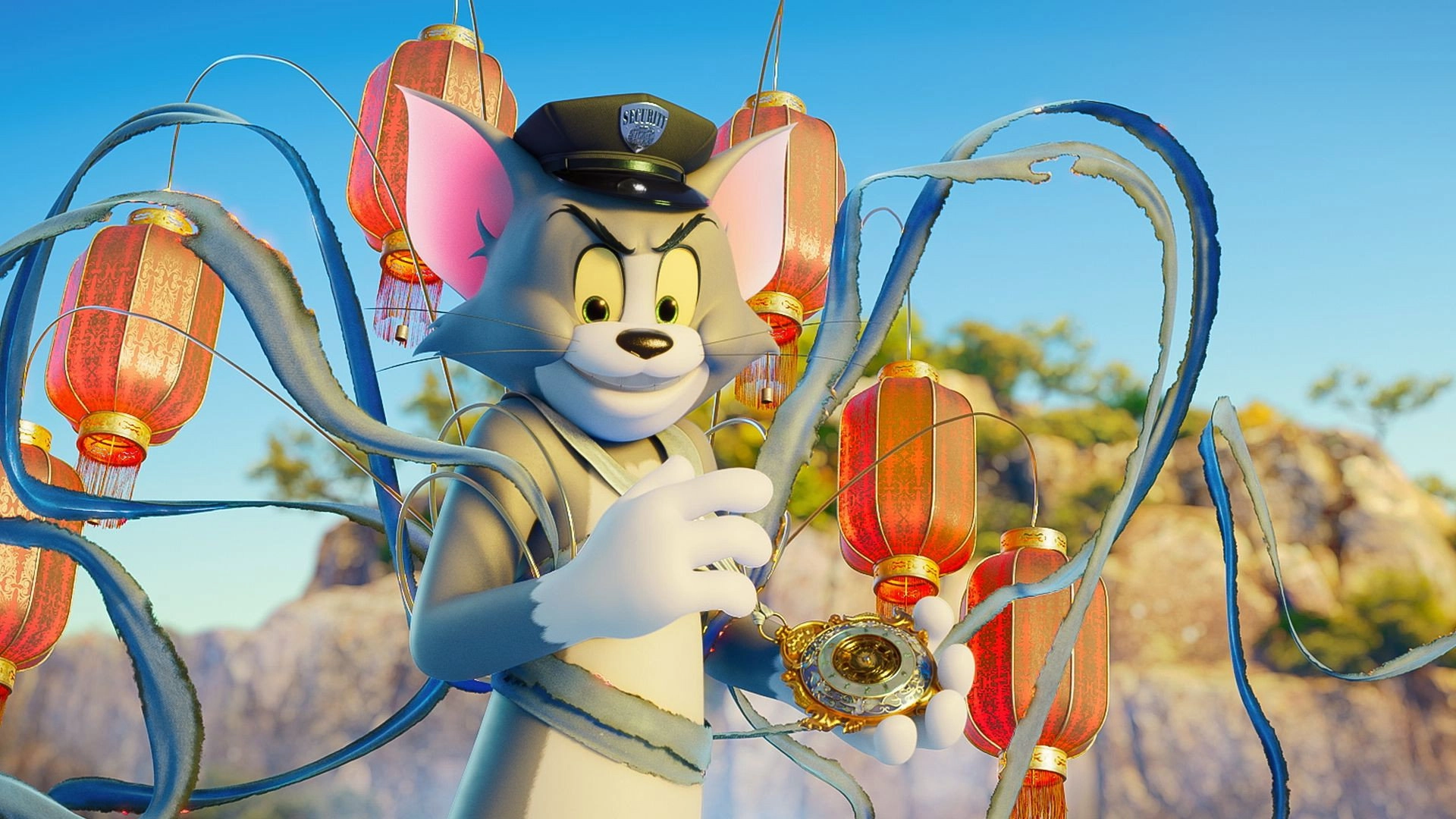
The test is stupidly simple. Does the new setting need these characters, or would it play identically with any other two? Roger Rabbit collapses without toons. Forbidden Compass, by the near-unanimous account of everyone who has sat through it, works exactly the same if you delete the cat and the mouse entirely.
The takeaway
Tom and Jerry survived eighty-six years on one idea: two creatures who want incompatible things and will demolish an entire house arguing about it. No dialogue required. No mythology required. No compass required.
You can put that anywhere. Ancient China, a space station, a Michelin-starred kitchen, whatever. What you cannot do is park it in the corner of the frame while someone else's quest narrative runs the plot, and then act shocked when four countries' worth of critics file the same review.
"These two forces of absolute chaos deserve better," O'Hara wrote. "They deserve to create mayhem that matters."
Instead they got a cameo in their own movie.
I said what I said.
Related title: Tom and Jerry: Forbidden Compass
Comments (0)
Log in to leave a comment.